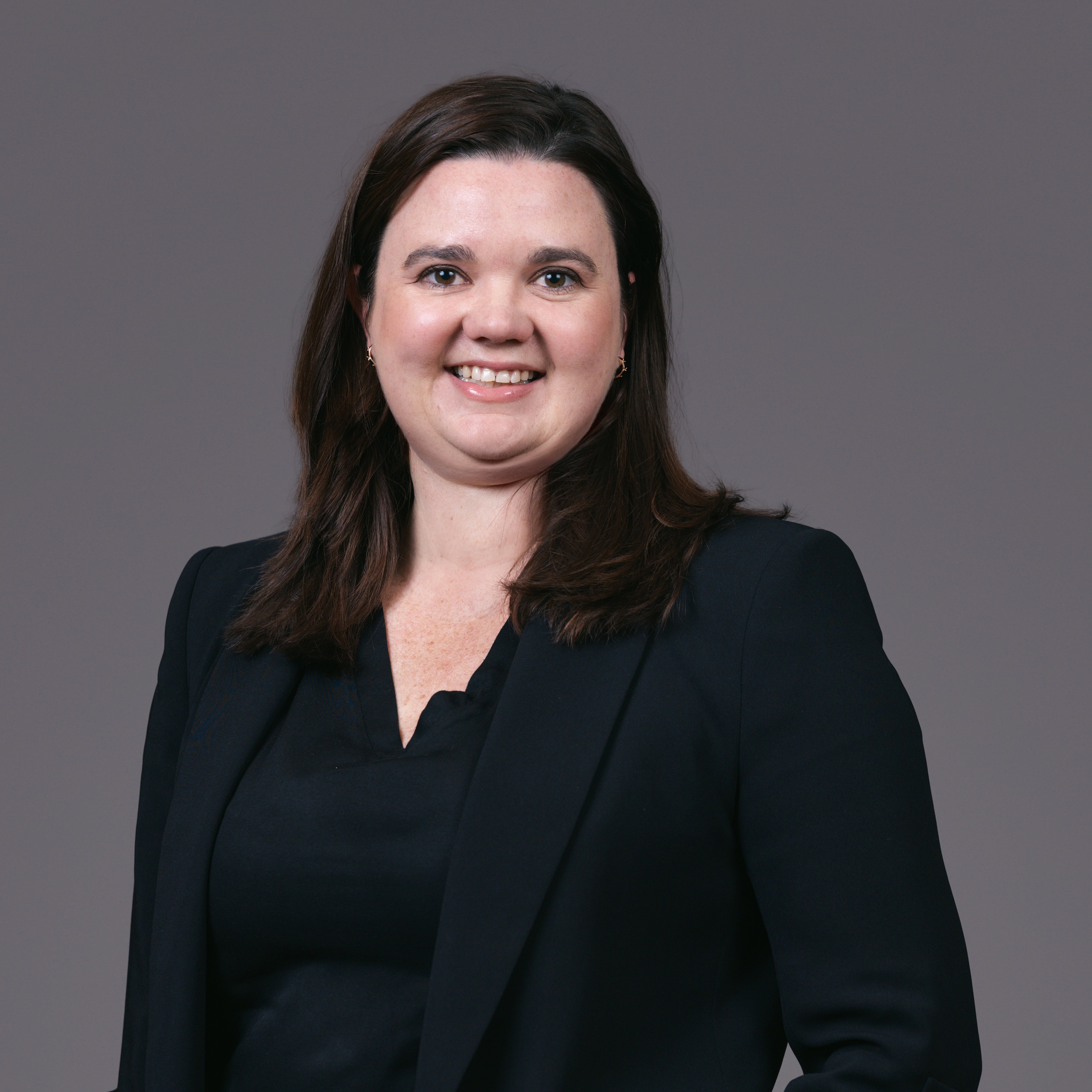
Van Niekerk sets out a delivery agenda for the SA REIT Association
In a wide-ranging interview on Moneyweb’s The Property Pod, Jackie van Niekerk, Chief Executive Officer of Attacq Limited, joined host Suren Naidoo to discuss her new term as Chairperson of the South African Real Estate Investment Trust Association (SA REIT Association), the operating model taking effect this month and the sector’s position as the macroeconomic backdrop turns less accommodating.
Van Niekerk took the chair following the Association’s Annual General Meeting held in Johannesburg on 20 July 2026, succeeding Estienne de Klerk. She described the appointment as a custodianship rather than a personal platform, framing her responsibility as continuing the work built by De Klerk and the chairpersons before him. When asked whether a listed company chief executive has capacity for the role, she was candid that her first answer had been no, but said the load sits with an executive team rather than with the chair alone. Joanne Solomon, Chief Executive Officer of the Association, runs the organisation day to day. A board drawn from the chief executives and executives of member companies carries the balance.
Drawing on her experience as a Past President of the South African Property Owners Association, Van Niekerk distinguished between the two bodies. That organisation, in her account, speaks for the broader property ownership and asset management community and engages closely on municipal and operational matters. The SA REIT Association is more technical, concentrating on taxation, legislation, capital markets and consistency of disclosure, work reflected in the Third Edition of the SA REIT Best Practice Recommendations released in May. She was clear that the two should collaborate where their agendas overlap rather than pursue the same causes separately.
That preference for focus underpins the Association’s restructuring. Seven standing committees consolidate into three delivery portfolios, convened around specific projects rather than a standing meeting calendar. Each portfolio will identify its priorities for the year, determine who it needs to work with across the industry and hold itself to a defined output. Van Niekerk’s rationale is that the Association depends on the scarce time and influence of people who already run listed businesses, so that time should be used deliberately.
Continuity has been built into the change. De Klerk remains available to the Executive Committee as Strategic Advisor, a decision she explained in terms of institutional knowledge and relationships the sector cannot afford to lose. Past chairpersons also remain engaged. She noted that De Klerk’s new commitments are considerable and that the Association will draw on his experience selectively, including as a source of candid feedback on whether it is focused on the right issues.
On the state of the sector, Van Niekerk pointed to the Association’s monthly Chart Book as the record of how far real estate investment trusts (REITs) have come. She characterised the post-pandemic years as a period of introspection in which balance sheets were repaired, assets were sold and capital structures were rebuilt, with several member companies also building positions in offshore markets. The results are visible in the capital markets. Member companies raised more than R11.4 billion through bookbuilds during 2025 and, on her account, a further R6.4 billion has been raised so far in 2026, with pricing at or above net asset value giving companies access to equity that was largely closed to them for much of the past decade. Debt capital market auctions have also been well received.
The backdrop has become less accommodating. Inflation came in at 5% in June, above the level the market had been working with at the start of the year, driven in part by the escalation in the Middle East and the pressure it placed on the oil price. The Monetary Policy Committee of the South African Reserve Bank held the repo rate at 7% on 23 July on a four-to-two vote, with two members favouring an increase of 25 basis points. Van Niekerk expects further tightening, while making the point that the rate path is a question for economists rather than for her. Closer to her own operations, she is watching pedestrian growth at shopping centres as an early indicator of consumer strain. Her assessment is that the sector is capitalised well enough to absorb a period of uncertainty and that the discipline shown by management teams since the pandemic supports that view.
When asked about representation, Van Niekerk said the sector remains less diverse than it should be, citing recent Women in Property research showing low levels of female representation on boards. Her argument for diverse boards is a practical one. A different voice at the table produces the idea or the solution a uniform group would not reach. She extended the point to workplace culture, describing an intention to build organisations in which people can be more than the output they deliver, from accommodating a sick child to creating visible paths for growth. The Association now has a woman as Chief Executive Officer and a woman as Chairperson, which she treats as evidence of what is possible rather than as a conclusion.
She closed on purpose. Her involvement in the Association is not separable from a broader view that business carries a responsibility for unity and for building national capability, with a stronger REIT sector ultimately meaning more investment and more jobs.
Watch the full interview on MoneywebTV: https://www.youtube.com/watch?v=s-Qfn6kmUA0