SA REIT Association

SA’s constructive path to investment-grade rerating

SA’s constructive path to investment-grade rerating is listed property positive

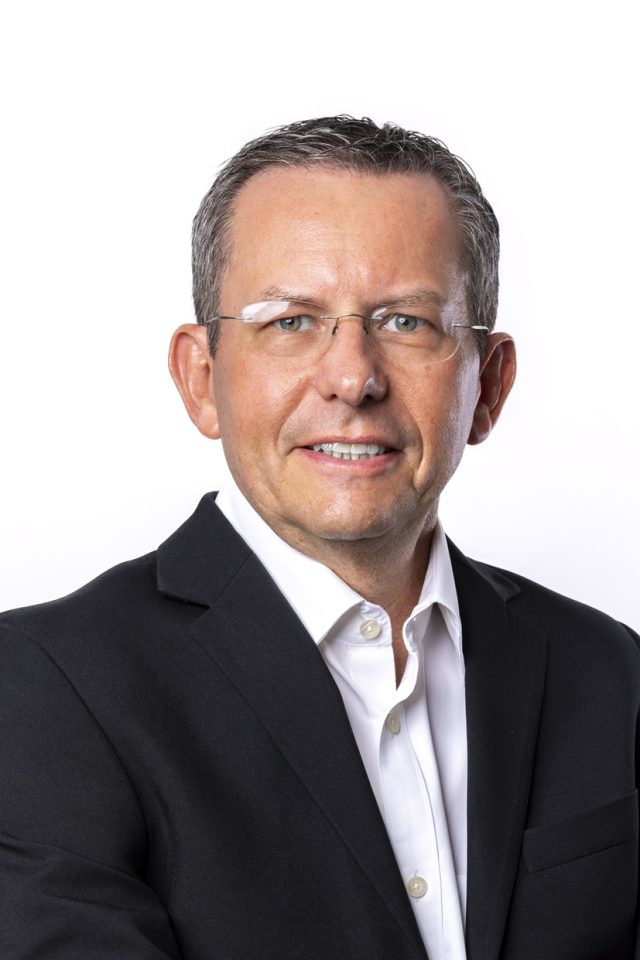
By Ntobeko Nyawo, Chief Financial Officer at Redefine Properties

Listed property has always been shaped by market cycles, structural constraints and the discipline required to manage capital through periods of uncertainty. From a balance sheet and portfolio perspective, the question is seldom whether risk exists, but how clearly it can be understood, priced and managed over time.

 What is changing is not the presence of these pressures, but the degree of visibility around them. Listed property operates within a complex and evolving economic environment, shaped by both macro conditions and portfolio-level realities. Alongside economic signals, outcomes are increasingly influenced by how effectively assets are operated. This includes how operating costs and infrastructure risks are mitigated at asset level, and how balance sheets are structured through periods of constraint within the broader confines of a well-crafted capital allocation strategy.

 In recent years, developments in areas such as energy reform, operational resilience and financial discipline have changed how these factors interact with performance. Considerations that were once treated as largely external inputs now play a more direct role in shaping margins, reliability and flexibility. This has implications for how risk and opportunity are interpreted across the sector, particularly by investors assessing relative resilience rather than directional growth.

 Interpreting the moment

Importantly, this does not alter the structural challenges facing the economy, nor does it eliminate risk. What it does change is how those risks are experienced and assessed within property portfolios and balance sheets. As macro conditions become more clearly defined, their interaction with operational resilience and capital positioning becomes more apparent.

 Several macro lead indicators are beginning to provide greater clarity. Inflation has been anchored at 3%, with a 1% tolerance band, interest rates are below long-term averages, and progress on structural reform is increasingly visible through formal scorecards. South Africa’s removal from the Financial Action Task Force (FATF) grey list is expected to boost capital flows and further drive business confidence.

 These developments are constructive, not because they imply accelerated growth, but because they improve the predictability of key economic variables. For capital-intensive sectors such as property, predictability matters as much as direction.

 In this constructive context, traditional macro fundamentals can be read alongside a broader set of asset-level considerations, including execution and discipline, rather than being treated as overriding determinants of outcome.

 Energy and operational resilience as fundamentals

Energy availability has become a defining operational variable for property portfolios in South Africa. Where electricity supply was once treated as an assumed external input, regulatory reform has shifted it into the realm of asset-level decision-making. The liberalisation of electricity generation has enabled property owners to invest in on-site renewable capacity, changing both cost exposure and operational reliability.

 This shift has practical implications. Energy now influences asset uptime, tenant continuity and margin stability, rather than sitting solely as an operating expense. Portfolios able to mitigate reliance on the national grid are better positioned to manage disruption and cost volatility, while those without such measures remain more exposed to systemic constraints.

 This does not remove energy risk. Grid capacity and broader infrastructure limitations remain relevant. However, the ability to generate a portion of required power on-site has altered how energy risk is experienced at asset level, introducing a degree of control where previously there was none.

 We have observed this shift within our portfolio, where sustained investment in energy resilience and financial discipline has supported more consistent asset operations and cost management over time. Similar principles increasingly apply to other infrastructure dependencies, including water security, where asset-level planning is becoming more material.

 More broadly, this reflects how property fundamentals are evolving. As infrastructure risks become more asset-specific rather than uniformly systemic, differences in execution and investment approach become more visible. In this context, resilience is shaped less by the absence of constraint than by how operational dependencies are anticipated and mitigated over time.

 Funding structure and optionality

Financial structure plays an increasingly important role in shaping how the asset class operates within the current environment. Given the long-term and leveraged nature of listed property, the cost, availability and flexibility of finance influence both risk management and decision-making over time.

 Recent macro conditions have begun to stabilise key variables that affect financing. Inflation expectations have moderated and interest rates remain below long-term averages, improving visibility around borrowing costs even as uncertainty persists. This does not guarantee further easing, but it reduces some of the volatility that has complicated long-term planning in recent years.

 As a result, differences in financial flexibility are becoming more apparent, a point increasingly noted in industry commentary on South Africa’s REIT sector. Portfolios with diversified sources of finance, appropriate debt maturities and sufficient liquidity are better placed to manage variability and act selectively, while more constrained balance sheet structures face narrower options regardless of broader economic signals.

 There are also early indications that the composition of investment participation in property markets may evolve. Proposed regulatory developments around unlisted REIT structures could, over time, broaden institutional participation, particularly from long-term and short-term insurers. While still subject to regulatory process, this suggests a potentially more flexible funding landscape that could add greater dynamism to South African listed property’s market conditions.

 What this means for the sector

Taken together, recent developments across macroeconomic conditions, operations and capital structure suggest that South Africa’s listed property sector is entering a phase that is more interpretable than in recent years, even as structural challenges remain.

 Fundamentals are becoming more constructive not because constraints have disappeared, but because their implications are clearer and, in some cases, more actively managed.

 For investors and stakeholders, this places greater emphasis on how portfolios translate external conditions into execution. Asset reliability, operating resilience and balance sheet positioning increasingly shape how risk and opportunity manifest over time, alongside traditional macro indicators.

 This moment does not call for a reset in expectations, but for a more informed reading of the fundamentals. In a sector defined by long-term horizons, leverage and complexity, the ability to interpret risk with greater clarity and to act with discipline through market cycles is itself a source of resilience.


Growthpoint’s redevelopment and expansion of Paarl Mall

Growthpoint breaks ground on strategic R270 million redevelopment and expansion of Paarl Mall

Growthpoint Properties (JSE: GRT) has commenced a major redevelopment of its high-performing Paarl Mall in the Western Cape as part of its ongoing asset management strategy to enhance core retail assets across its South African portfolio, adding value and supporting long-term performance growth.

The R270 million project will expand Paarl Mall’s gross lettable area to 44,474m2 and introduce significant internal reconfigurations and design updates throughout the mall.

“Paarl Mall’s extensive upgrade and extension project is the result of a deliberate strategy to optimise its retail mix and elevate the shopper experience,” says Gavin Jones, Growthpoint Properties Head of Asset Management: Retail. “It will ensure Paarl Mall remains well positioned to anticipate and respond to the evolving needs of its growing, diverse customer base, well into the future.”

As a small regional centre with consistently high trading densities, low vacancies and strong tenant demand, Paarl Mall is among several high-performing shopping centre assets Growthpoint identified for targeted investment as part of its ongoing drive to further refine and strengthen its core retail portfolio.

“We’re concentrating capital and management focus on centres that lead in their catchment areas, offer sustainable returns through rental growth and can adapt quickly to changing consumer and retailer dynamics. Paarl Mall fits this profile excellently. It is well established and superbly located at the heart of a thriving community with a strong and growing customer base,” explains Jones.

Paarl Mall, which opened in 2005, is deeply embedded in its community and will mark its 21st anniversary with the completion of this redevelopment. Strategically positioned alongside the N1 highway, it has established itself as the leading retail destination in the area. The centre benefits from strong shopper loyalty, with more than half its customer base visiting weekly. It is anchored by a robust national tenant mix. The mall has consistently maintained vacancies below 1% and delivers above-average trading densities within Growthpoint’s retail portfolio.

The mall’s catchment area is undergoing rapid residential growth, with more than 4,300 new housing units planned or under construction, further strengthening long-term retail fundamentals in the region.

“In addition to the area’s growth, our customer research points to rising demand for a wider fashion offering, enhanced fast-food choices and mall Wi-Fi. Our redevelopment plan directly addresses these shopper priorities, and more,” says Jones.

By restructuring a portion of large-format trading space, the mall will accommodate a bigger range of retailers, including a sought-after international fashion brand, yet to be named, which will be a first for Paarl. Among the first in an exciting lineup of new store names announced are contemporary furniture brand Cielo and a new Wordsworth store for book lovers.

Several well-established mall retailers have embraced the opportunity to expand their stores, introduce their latest concepts and offer additional ranges. They include Truworths, Foschini, @home, Sportscene and Identity. The mall will also offer larger restaurant and fast-food selection and feature a revamped family food court.

Pivotal to the mall’s upgrade are the significant changes being made to its layout, starting with the addition of an impressive and inviting new main entrance – a highlight of this project. Internal mall flows will be reconfigured for better shopper circulation with a prominent central fashion court.

The revamp pays close attention to the details that shape how customers experience the mall. Interiors will be refreshed with heritage-inspired finishes, new tiling and lighting, elegant bulkheads, upgraded amenities and modernised bathroom facilities.

Upgraded operating infrastructure essential for efficient retail operations will also be introduced behind the scenes. Key enhancements include improved energy efficiency and mall-wide free Wi-Fi infrastructure.

Paarl Mall already features a new industry-leading hybrid electricity solution, combining solar, battery, generator and grid power. Its solar plant generates around 3,500 MWh annually, supplying the mall and charging a Battery Energy Storage System (BESS) housed in three climate-controlled 20-foot containers. Thanks to this R50 million investment from Growthpoint, it reached full commissioning in June 2024.

To enhance resilience and ensure reliable power supply for tenants, the mall has since integrated its generator farm with the renewable energy system, improving backup capability, reducing carbon emissions during grid outages and maintaining compliance with Drakenstein Municipality’s unique 45% load factor requirement. The solar PV system has been registered for Renewable Energy Certificates (RECs), supporting Growthpoint’s long-term decarbonisation strategy.

“Together, these changes combine to create a more enjoyable, varied and seamless shopping environment at Paarl Mall. Every element has been carefully considered to refresh the mall experience while preserving the familiar character that resonates with loyal shoppers,” notes Wouter de Vos, Growthpoint’s Regional Head: Western Cape.

As with all Growthpoint’s developments, the Paarl Mall project is being purposely executed to deliver meaningful local and regional economic benefits. The construction phase will create employment opportunities, with a strong focus on engaging local contractors and service providers. Where feasible, materials and services will be sourced locally, supporting businesses in Paarl and the wider Boland region.

Across its retail portfolio, Growthpoint is pursuing a strategy focused on refurbishments, optimised tenant mixes, energy-efficient operations and disciplined capital allocation, all aligned with its overarching goal of enhancing portfolio quality and delivering sustainable, long-term value for stakeholders.

“Our focus is to create retail environments where customers stay longer, retailers trade better, communities are proud and investors gain more resilient, higher returns,” Jones adds. “Paarl Mall is an excellent example of how selective reinvestment in a strong, established asset can add value for all stakeholders.” As it grows with its community, these improvements are expected to reinforce Paarl Mall’s market leadership and strong performance track record.

Construction for the Paarl Mall redevelopment began in mid-January, with completion scheduled for November 2026, ahead of the peak holiday shopping season. The mall will be open for trading throughout the construction period, and extensive planning is in place ensure temporary disruptions are minimised, with clear communication from the mall throughout the process.

Dipula festive season trading and acquisitions update

Q4 2025 TRADING UPDATE

Dipula derives approximately 70% of its income from defensively positioned retail properties, comprising centres located in township, rural and urban convenience nodes. The retail portfolio delivered a robust performance during the 2025 festive season, recording a 5% increase in turnover over the quarter ended 31 December 2024.

All retail categories, except for services and hardware, reported above-inflation turnover growth ranging from 3% to 11%. The strongest growth was recorded in the cellular and electronics categories, while services turnover declined slightly by 2%.

On a provincial basis, the highest turnover growth was achieved in KwaZulu-Natal and the Eastern Cape, at 10% and 8%, respectively. Limpopo recorded turnover growth of 6%. The North-West recorded growth of 4%, while Gauteng and the Free State each reported turnover growth of 3% and Mpumalanga experienced a marginal decline of 1.5%.

Turnover at Dipula’s urban convenience and rural centres increased by 6%, while urban township centres recorded growth of 3%.

The strongest sales performance for the quarter was recorded in November 2025 as customers appear to be doing earlier festive season shopping than was previously the norm.

ACQUISITIONS UPDATE

In August 2025, Dipula announced a number of acquisitions in line with its strategic objective of expanding its portfolio through the addition of well-located, high-quality industrial and convenience, township and rural retail assets. Dipula is pleased to advise that transfer of these properties was effected on the dates set out below.

Property
Sector
Geographical location
Purchase consideration
(R)
GLA (m²)
Purchase consideration per m² (R/m²)
Transfer date
Airborne Business Park
Industrial
Boksburg, Gauteng
63 000 000
6 964
9 047
27 August 2025
Bayer Distribution Centre
Industrial
Klerksdorp, North West
156 000 000
16 061
9 713
8 December 2025
Woolworths Gezina
Retail
Gezina, Gauteng
16 200 000
4 630
3 499
19 December 2025
Protea Gardens Mall
Retail
Soweto, Gauteng
478 100 000
24 141
19 804
8 January 2026
Total
 
 
713 300 000
51 796


Redefine’s Coega logistics facility earns 5-Star Green Star rating

Redefine’s Coega logistics facility earns 5-Star Green Star rating, shifting the performance norm for sustainable industrial development

Redefine Properties’ modern logistics distribution centre at 62 Umlambo Street, located within Zone One of the Coega Special Economic Zone (Coega SEZ), has been awarded a 5-Star Green Star certification by the Green Building Council of South Africa (GBCSA), recognising the property’s high standard of sustainable design and operational performance.

The achievement was formally recognised at a plaque unveiling on Monday, 26 January 2026, attended by representatives from Redefine, Goodyear South Africa (lessee) and the Coega Development Corporation (CDC), the public-sector partner responsible for enabling sustainable development within the Coega SEZ.

Sustainability designed for operational performance

Designed to support large-scale industrial operations in the Eastern Cape, the facility integrates sustainability into its day-to-day performance through energy-efficient systems, water-smart infrastructure and reduced operational carbon intensity. These metrics, measured over time, reflect an efficient deployment of natural resources. This reduces the operational carbon footprint and lowers building operating costs.

Completed in 2010, this property was purpose-built with an emphasis on occupier comfort and enhanced material handling efficiencies. Sixteen years later, it remains a top performer among its peers, demonstrating the successful integration of a well-designed modern logistics facility within the economic ecosystem offered by the Coega SEZ.

“This certification reflects our belief that sustainability must be practical, measurable and embedded in how our assets perform over the long term,” says Ursula Mpakanyane, Head of ESG at Redefine Properties. “High-performing green buildings make commercial sense. They reduce operational risk, improve efficiency, lower long-term costs and create enduring value for both tenants and property owners.”

“We applaud and congratulate Redefine for being certified by the GBCSA as one of the first 5-Star Green Star buildings in a Special Economic Zone. At Coega, we are committed to supporting the Green Star standard set by Redefine and the adoption of environmentally responsible practices to realise a more sustainable and eco-conscious future. Sustainable development is key to our business, and we champion environmental stewardship in our own operations and throughout the Coega SEZ,” Nomathemba Mhlanga, Chief Sustainability Officer, Coega Development Corporation

Creating value through ESG-led development

For tenants, energy- and water-efficient systems contribute to lower operating costs, greater reliability and improved business continuity. For property owners, these efficiencies strengthen asset resilience, support long-term value creation and enhance attractiveness to sustainability-focused occupiers and investors.

Independent research, including insights from the MSCI Global Green Building Index, indicates that Green Star-certified buildings tend to deliver stronger total returns and lower occupancy costs than non-certified assets.

 The certification supports Redefine’s ESG strategy and aligns with the United Nations Sustainable Development Goals, particularly those focused on clean energy, resilient infrastructure, sustainable cities, responsible resource use and climate action. This alignment helps guide capital allocation and asset management decisions in a market where sustainability performance increasingly influences asset value, occupier demand and long-term returns.

For Redefine, the 5-Star Green Star certification at 62 Umlambo Street reflects a deliberate, portfolio-wide commitment to future-ready development that is delivered in partnership with tenants and public-sector stakeholders.

Vukile acquires a 35% stake in Pradera Limited

Vukile ramps up on-the-ground capabilities as it explores further European push

Vukile Property Fund (JSE: VKE), the leading consumer-focused specialist retail real estate investment trust (REIT), has acquired a 35% stake in Pradera Limited, a leading specialist retail property investment fund and asset manager with a 25-year track record across the UK, Europe, China and the Middle East.

Laurence Rapp, CEO of Vukile Property Fund, comments, “This is a significant strategic move in support of our stated goal to explore expansion into more European markets. Importantly, the transaction represents a substantial steppingstone for future strategic delivery.

Rapp adds, “We have always believed that on-the-ground, specialist retail knowledge and deep local insight are key to success in new markets. This approach to investment has served us extremely well in Spain and Portugal. Through our investment in Pradera, we now have access to a team of more than 100 retail specialists across 12 offices, managing around €5 billion of retail real estate assets in ten countries. This significantly de-risks any further expansion plans we are evaluating.”

Pradera manages shopping centres and retail parks on behalf of more than 60 institutional and private investors, including former Intu assets already familiar to the South African market, such as The Trafford Centre in Manchester and Lakeside Shopping centre in Essex.

Pradera is chaired by co-founder Colin Campbell, whose family trust is the majority and controlling shareholder. Vukile’s investment became effective on 18 December 2025, as did a 14% Pradera leadership buy-in to further enhance alignment between management and shareholders. Pradera is led by CEO Rhys Evans.

Campbell comments, “This is a strong vote of confidence in Pradera’s future. We have a first-class team, a market-leading reputation, a wide network of industry and investor relationships, and a strategic new shareholder in Vukile, that adds real depth to our platform. Our shareholder base is now made up entirely of retail sector specialists and I’m excited about what we can achieve together.”

Vukile and Pradera already share close ties. Castellana CEO, Alfonso Brunet, spent 11 years at Pradera’s Madrid office before joining Castellana in 2017, and several former Pradera colleagues now form part of Castellana’s senior team. The two businesses will continue to pursue their independent strategies, while leveraging inherent synergies.

Rapp notes, “Our investment in Pradera’s leading platform helps to pave the way as Vukile explores further expansion in Europe. Vukile, Castellana and Pradera together represent Europe’s premier retail property knowledge capital, with unmatched retail real estate experience, insight and access.”